
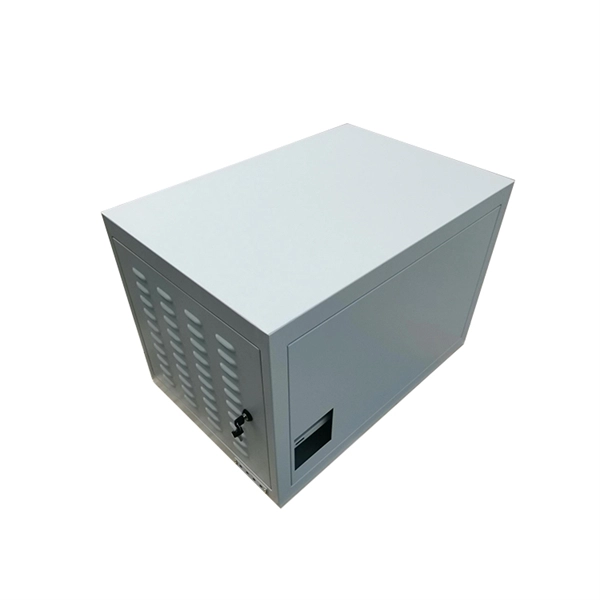
Grounding System Installation Standards for Distribution Boxes and
Your distribution box is mission control for electricity in any building. When grounding fails here, it''s like having a spaceship without a heat shield—everything inside becomes vulnerable to
Requirements And Specifications For Installation Of Distribution Boxes
The metal box of the distribution box, the electrical installation board, and the metal base and casing of the electrical appliances in the box must be grounded. The protective neutral wire
Distribution System Grounding
Need for Grounding: Grounding is a mechanism to protect distribution equipment and people under normal operating conditions, abnormal operational (overcurrent and overvoltage) responses, and
Correct Connection Method Of Grounding Wire Of Distribution Box
If there are electrical components in the distribution box that need to be grounded, copper core wires can be used to connect these components to the PE bar to ensure the safe
Does the Distribution Box Door Need Grounding? Safety Standards FAQ
If you''ve ever found yourself scratching your head over whether that metal door on your distribution cabinet really needs a grounding wire, you''re not alone. In factories, construction sites,
Protective grounding requirements for transmission and distribution
This technical article covers protective grounding requirements for steel tower and wood pole supported transmission and distribution lines, and insulated power cables.
Why are Neutral and Ground Wires Separated in a Subpanel?
According to NEC Article 250, neutral and ground wires must remain separate in subpanels. Bonding (connecting) the neutral and ground should only occur in the main panel or at the first service
DISTRIBUTION BOX
Each DISTRIBUTION BOX and controller must be grounded. On the US market, a 5.26 mm 2 (10 AWG) ground wire must be used, and in all other markets a 6 mm 2 must be used.
Earthing system
The conductor that connects an exposed-conductive-part of the consumer''s electrical installation to Earth is called the protective earth (PE; see also: Ground) conductor.
Neutral Bar vs. Grounding Bar: What''s the Critical Difference?
A grounding bar, also called a ground bar, earth bar, or PE bar, connects protective earth conductors and normally carries current only during fault conditions. In main service equipment,
How & Why to Ground Wiring
Why Does Wiring Need to be Grounded? Install grounding wire to provide a current with alternate paths to avoid electrical shocks in case of power surges. Run ground wires parallel to hot
10 Must-Know Facts About Electrical Grounding
Grounding systems, including those for homes, use ground rods, wires and clamps sometimes known as grounding conductors. For general
Grounding Basics
Ground wires (equipment grounding conductors) connect to every part of the electrical system that could possibly become energized—metal boxes,
Protective grounding requirements for transmission and distribution
Introduction to protective grounding This technical article covers protective grounding requirements for steel tower and wood
Correct Connection Method Of Grounding Wire Of
Following the above steps and precautions can ensure the correct connection of the distribution box grounding wire, thereby ensuring the safe
GROUND GRID SPECIFICATIONS
PURPOSE AND SCOPE IPMENT, STRUCTURES, ETC. IN ELECTRICAL STATIONS INCLUDING TRANSMISSION AND DISTRIBUTION SUBSTAT GROUNDING OF NON-CURRENT CARRYING
Grounding system construction: key points for grounding distribution
Grounding systems aren''t just boxes and wires – they''re the silent bodyguards protecting people and equipment from electrical disasters. When lightning strikes or a rogue voltage surge
Grounding & Bonding — Why it is done And How to Install Properly
Bonding is accomplished when the electrician connects equipment grounding conductors to the equipment grounding terminal bar in the Service Equipment and to the grounding terminals on
This reference is intended for preliminary fiber and communications infrastructure research. Optical interface, fiber type, port or core capacity, electrical input and output, enclosure protection, cooling, installation limits and applicable standards must be verified for the specific project.